
Understanding gambling addiction warning signs and recovery pathways
Recognizing the Warning Signs of Gambling Addiction
Gambling addiction can often go unnoticed until it has severe consequences for the individual and their loved ones. One of the primary warning signs is a preoccupation with gambling. Individuals may find themselves constantly thinking about their next bet or recalling past gambling experiences. This obsessive behavior can overshadow other aspects of life, leading to neglect of responsibilities and relationships. Engaging in an ice fishing game can provide a fun distraction, but it’s important to recognize when leisure activities become problematic.
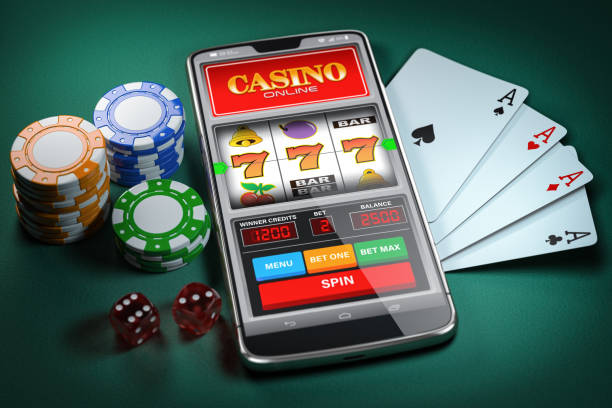
Another significant warning sign is the escalation of gambling behavior. This may manifest as an increase in the amount of money wagered or time spent gambling. Individuals may initially set limits but find themselves unable to adhere to them. This loss of control is a critical indicator of a potential gambling problem, often accompanied by emotional distress when attempting to cut back.
The Emotional and Psychological Effects of Gambling Addiction
The psychological impact of gambling addiction can be profound. Many individuals experience feelings of guilt, shame, and anxiety related to their gambling behaviors. This emotional turmoil can lead to a cycle where individuals gamble to escape these negative feelings, further entrenching their addiction.
Moreover, gambling addiction can lead to significant mental health issues, including depression and increased stress levels. The emotional rollercoaster of wins and losses can lead to erratic moods, making it challenging for individuals to maintain stable relationships and a fulfilling life. Understanding these psychological effects is crucial in addressing and overcoming gambling addiction, especially as individuals may seek advanced strategies for managing their behavior.
Pathways to Recovery: Seeking Help and Support
Recovery from gambling addiction is possible, and seeking help is the first step. Various resources are available, including therapy, support groups, and helplines. Cognitive-behavioral therapy has shown success in helping individuals identify and change harmful thought patterns associated with gambling.
Support groups, such as Gamblers Anonymous, provide a community of individuals who understand the struggles of gambling addiction. Sharing experiences and strategies for coping can be invaluable in the recovery process. It’s important for individuals to know they are not alone and that help is available to reclaim their lives.
Building a Healthy Lifestyle Post-Recovery
Once individuals have taken steps towards recovery, it is essential to build a healthy lifestyle that reduces the risk of relapse. This includes developing new hobbies and interests that do not revolve around gambling. Engaging in activities that promote social interaction can foster a sense of belonging and support.
Additionally, practicing mindfulness and stress management techniques can help individuals navigate triggers that may lead to gambling urges. Establishing a solid support network of friends and family can provide a safety net during challenging times, reinforcing the commitment to a gambling-free life.

About Our Website and Resources
Our website is dedicated to providing valuable information about gambling addiction and recovery pathways. We strive to raise awareness of the warning signs and offer resources for those seeking help. Our goal is to create a supportive community where individuals can find the assistance they need to overcome their challenges.
We also provide insights into healthy lifestyle choices that can aid in the recovery process. By fostering understanding and compassion around gambling addiction, we hope to empower individuals to take control of their lives and work towards a brighter future free from the grips of addiction.
